
Understanding Cancer Treatment Options: Surgery, Chemotherapy, Radiation, and Targeted Therapy
A cancer diagnosis often brings one overwhelming question to the front of a patient’s mind: what happens next? The answer depends on the type of cancer, how early or advanced it is, where it is located, and how the disease is behaving at a cellular level. Cancer treatment is not one single pathway. It is a carefully planned strategy that may involve one or more therapies working together.
For some patients, surgery may be the first step to remove a tumor. For others, chemotherapy, radiation therapy, targeted therapy, or a combination approach may be more appropriate. The treatment plan is designed not only to attack the cancer but also to preserve function, reduce spread, manage symptoms, and improve long-term outcomes. That is why two patients with the same broad diagnosis may still receive very different recommendations.
Surgery is often used when the cancer is localized and can be removed safely. Chemotherapy uses medicines to destroy or control cancer cells, especially when the disease may have spread beyond one visible area. Radiation therapy uses carefully directed high-energy beams to damage cancer cells in a precise treatment zone. Targeted therapy works differently by focusing on specific molecular or genetic features of cancer cells, which makes it more selective in certain cases.
Each treatment has its own role, benefits, limitations, and side-effect profile. In many modern treatment plans, these therapies are not seen as competing choices. They are used in sequence or combination depending on what gives the patient the strongest chance of control, cure, or meaningful improvement.
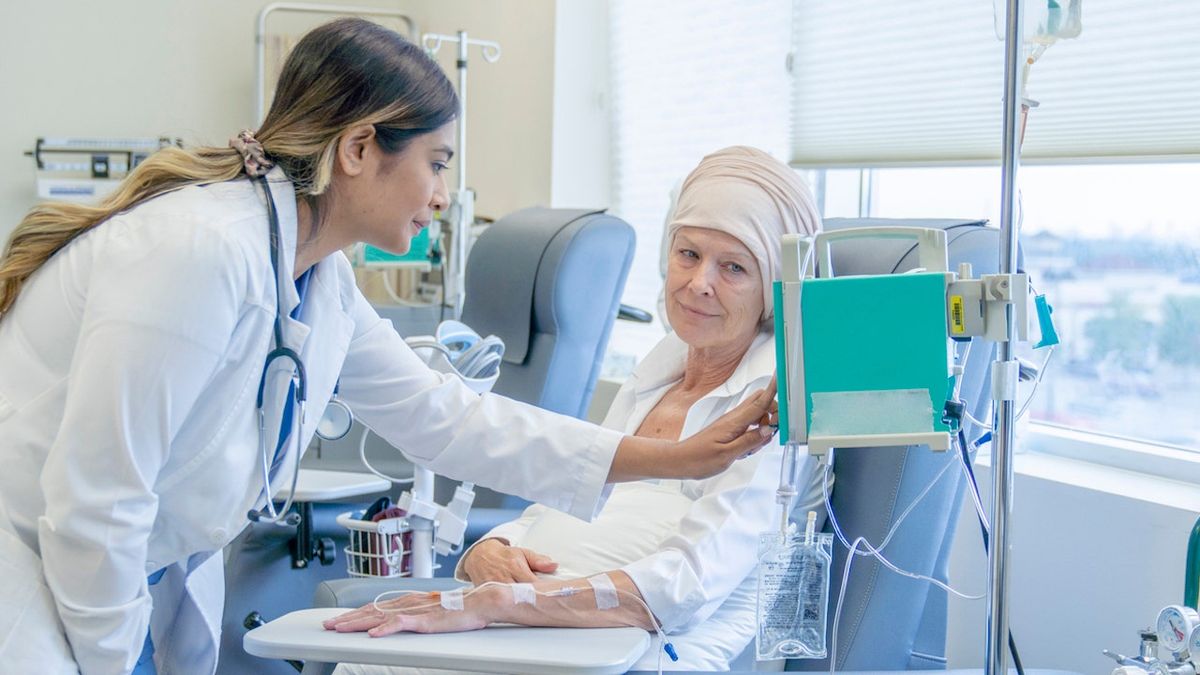
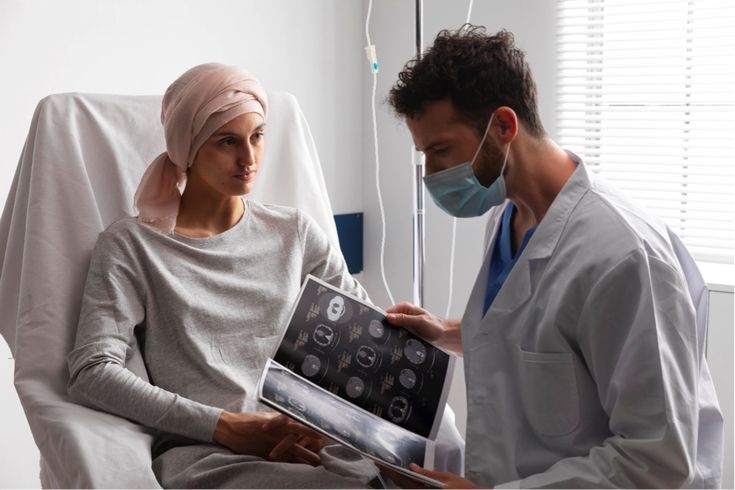
Cancer treatment is personalized, not one-size-fits-all
One of the biggest misconceptions about oncology is that cancer care follows a fixed formula. In reality, treatment planning is highly individualized. Doctors may consider tumor size, stage, grade, genetic markers, spread to lymph nodes or other organs, the patient’s age, general health, and ability to tolerate treatment. In some cancers, targeted therapies or other systemic treatments are only offered after laboratory testing confirms that the tumor has certain biological characteristics.
This is also why patients are sometimes advised to receive more than one type of treatment. Surgery may remove the main tumor, while chemotherapy or radiation may reduce the risk of recurrence. In other cases, systemic therapy may be given before surgery to shrink the cancer or improve the chances of complete removal. The plan is not built around what sounds simplest. It is built around what is medically most effective.
Patients should feel encouraged to ask why a particular treatment sequence is being recommended, what the goal of each therapy is, and what side effects or recovery expectations should be considered. When treatment is clearly explained, it becomes easier for patients and families to move through the cancer journey with less fear and more confidence.
Cancer care today is more advanced and more personalized than many people realize. Understanding the role of each treatment option helps patients see that oncology is not just about fighting disease. It is about choosing the right tools, at the right time, for the right person.
- How Doctors Decide the Right Cancer Treatment Plan
- What to Expect Before Starting Chemotherapy
- Surgery in Cancer Care: When Is It Recommended?
- Understanding the Role of Precision and Targeted Therapy